

For commercial leaders tasked with growing revenue, protecting brand integrity, and navigating increasingly complex pricing environments, the biggest drain often isn’t strategy, it’s execution. More specifically, the manual, repetitive, and often fragmented tasks that quietly erode both time and performance.
The irony? Most of these tasks aren’t value-adding. They’re symptoms of infrastructure that hasn’t kept up with the demands of modern distribution.
Despite years of tech evolution, many Hotel teams are still caught in operational routines that rely on human workarounds. Integrating new partners? That can take months. Loading promotions? It’s often a manual process, prone to errors and easily misfired across multiple channels. Monitoring rate parity? A game of whack-a-mole, with limited visibility into where and why issues occur.
All of this means time and effort are spent operating systems, not optimizing strategies.
Here are just a few examples that will feel familiar to most distribution and revenue leaders:
Sound familiar? Commercial teams are working harder than ever, but often with limited clarity and control.
At the heart of this operational drag is a deeper issue: legacy infrastructure. Many of the connections between Hotels and Travel Buyers were designed for a different era, one with fewer channels, less dynamic pricing, and minimal guest segmentation.
Today, that same infrastructure is expected to manage:
It’s an unrealistic expectation and it’s why even the most sophisticated Hotel strategies are often slowed by friction in the system itself.
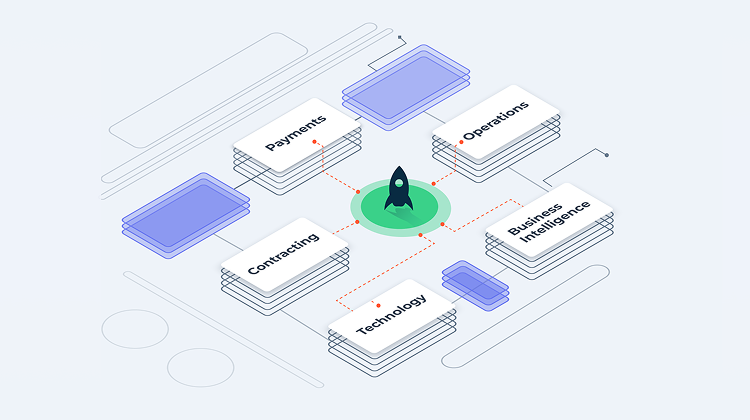
“Integration” has long been a buzzword in Hotel tech. But what matters now is not just whether systems connect…it’s how they connect.
Smart integrations:
They’re not about more features. They’re about reducing complexity and enabling clarity – something that’s been difficult to achieve in an industry built on decades-old connectivity norms.
For many Hotels, the shift toward smarter infrastructure isn’t just about revenue, it’s about regaining control.
The ability to see who is selling your rooms, at what rate, and to which audience isn’t a luxury. It’s foundational to protecting your brand and sustaining long-term pricing strategies. Equally, understanding where bookings are coming from, how different audiences respond to price shifts, and which partners create value (and which don’t) is central to commercial decision-making.
Yet these insights are often trapped behind layers of manual reconciliation, misaligned data, and outdated interfaces.
If we want to solve the manual task drain, we need to stop accepting complexity as a given.
This isn’t about automating for automation’s sake. It’s about designing workflows and systems that match the expectations of modern Hotel teams.
That means:
And most importantly, it means freeing commercial teams to focus on what they do best… analyzing trends, shaping strategy, and driving performance.
Every hour spent on a task that could be automated is an hour not spent improving revenue, refining strategy, or elevating the guest experience.
It’s time to shift the conversation from tools to infrastructure, from workarounds to design.
Because the true cost of manual work isn’t just time…it’s lost potential.
Interested in the Exchange?

